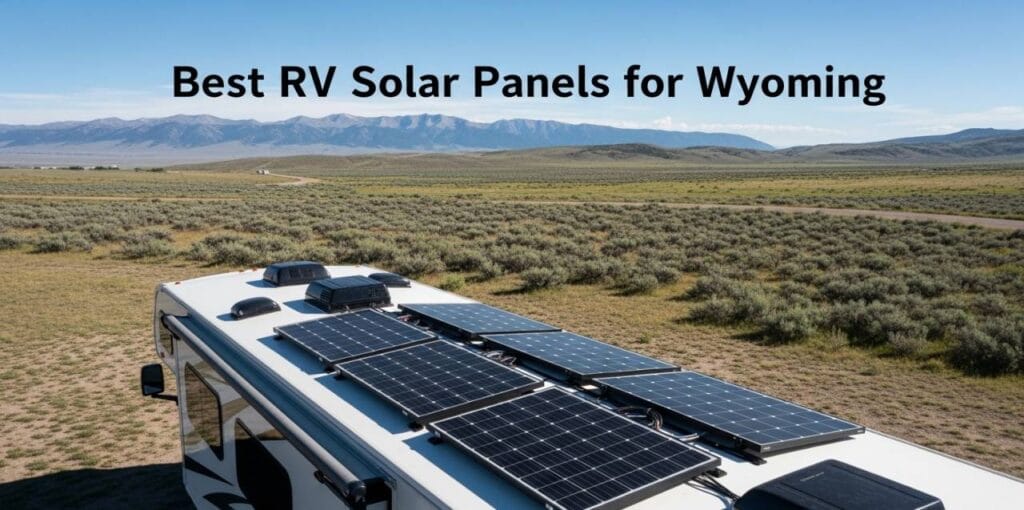
Wyoming stands as America’s highest-elevation state, with an average elevation of 6,700 feet above sea level. For RV owners exploring this magnificent landscape, this altitude translates into a remarkable advantage: approximately 20% more solar energy production compared to sea-level installations. However, the Cowboy State presents unique challenges that demand careful consideration when selecting RV solar panels for Wyoming adventures.
The state’s notorious wind conditions—with gusts regularly reaching 60-80 mph across the high plains—require solar installations built for extreme durability. Combined with temperature swings from -30°F winter nights to 90°F summer days, Wyoming’s environment separates premium solar equipment from inferior alternatives. Whether you’re planning extended stays at Yellowstone’s 7,000-8,000 foot elevations, photographing Grand Teton’s peaks, or boondocking near Devil’s Tower, understanding how to harness Wyoming’s exceptional solar potential while protecting your investment from harsh conditions is essential.
This comprehensive guide examines the best RV solar panels for Wyoming conditions, focusing on high-altitude performance, wind resistance, and the system optimization strategies that allow you to capitalize on the state’s superior solar resource while maintaining reliable power through extreme weather conditions.
Renogy 400W Monocrystalline Solar Panel Kit
| Detail | Info |
|---|---|
| Wattage | 400W |
| Efficiency | 21.5% |
| Weight | 38 lbs |
| Wind Rating | 2,400 Pa |
| Temperature Range | -40°F to 185°F |
| Price Range | $$$ |
| Best For | Complete RV solar systems |
The Renogy 400W kit represents one of the most comprehensive solutions for RV solar panels Wyoming installations, particularly for full-timers navigating the state’s challenging conditions. This system includes four 100W monocrystalline panels, a 40A MPPT charge controller, mounting hardware, and complete wiring—everything needed for a professional installation.
At Wyoming’s average 6,700-foot elevation, this 400W system effectively performs like a 480W sea-level installation, thanks to the thinner atmosphere and enhanced solar radiation. The panels’ 21.5% efficiency rating combines with altitude advantages to deliver exceptional power generation throughout Wyoming’s long summer days. During testing at elevations similar to Yellowstone, users report generating 2,000-2,400 watt-hours daily during summer months—enough to run refrigerators, charge devices, and power LED lighting without generator assistance.
Wind resistance proves critical for RV solar panels Wyoming applications, and Renogy’s 2,400 Pa wind load rating provides adequate protection for most conditions. However, owners parking in notoriously windy locations like the Cheyenne area or exposed campsites in the Bighorn Mountains should invest in heavy-duty Z-bracket mounting systems and consider adding supplementary securing hardware. The panels’ corrosion-resistant aluminum frame withstands Wyoming’s temperature extremes (-40°F to 185°F operational range), maintaining performance through brutal winter conditions and intense summer sun.
The included MPPT charge controller maximizes energy harvest during Wyoming’s variable weather, extracting up to 30% more power than PWM alternatives during partially cloudy conditions—common in afternoon thunderstorm season. The controller’s temperature compensation automatically adjusts charging parameters as temperatures swing dramatically between day and night, protecting batteries while ensuring complete charging cycles.
Best for: RV owners planning extended Wyoming adventures who need reliable, comprehensive power systems capable of supporting full electrical loads at high altitudes.
Also Read:- Best RV Solar Panels for Montana: Cold Weather Guide 2026
HQST 200W Monocrystalline Solar Panel
| Detail | Info |
|---|---|
| Wattage | 200W |
| Efficiency | 22% |
| Weight | 26 lbs |
| Wind Rating | 5,400 Pa |
| Temperature Range | -40°F to 185°F |
| Price Range | $ |
| Best For | Budget-conscious buyers |
HQST’s 200W monocrystalline panel delivers impressive value for RV solar panels Wyoming installations, particularly appealing to weekend warriors and seasonal visitors. The panel’s 22% efficiency rating places it among the top performers in the mid-range category, translating to approximately 240W equivalent performance at Wyoming’s typical elevations.
What distinguishes this panel for Wyoming use is its exceptional 5,400 Pa wind load rating—more than double many competitors. This robust construction proves essential when 60-80 mph gusts sweep across Wyoming’s high plains, particularly in spring when strong westerly winds dominate. The heavily-reinforced frame and tempered glass design have demonstrated reliable performance in wind tunnel testing, making this an intelligent choice for RVers parking in exposed areas like Flaming Gorge or the open prairie surrounding Casper.
The panel’s -40°F to 185°F temperature tolerance perfectly matches Wyoming’s extreme temperature swings. Winter campers at lower elevations appreciate the panel’s ability to generate power even during frigid conditions, while the high-temperature rating ensures reliable performance during 90°F summer days when RV roofs can exceed 120°F. The bypass diodes minimize power loss from partial shading—useful when parking under the scattered pines common at Wyoming campgrounds.
Installation flexibility makes this panel particularly suitable for RV solar panels Wyoming projects on smaller trailers and campervans. At 26 pounds, two adults can easily handle roof mounting, and the compact footprint fits most RV roof configurations without interfering with vents, air conditioners, or satellite dishes. The pre-drilled mounting holes accept standard hardware, though Wyoming users should prioritize stainless steel fasteners with neoprene washers to prevent water intrusion during the state’s occasional heavy rains.
Best for: Budget-conscious RV owners seeking wind-resistant panels capable of handling Wyoming’s harsh conditions without premium pricing.
Newpowa 200W Monocrystalline Solar Panel
| Detail | Info |
|---|---|
| Wattage | 200W |
| Efficiency | 21% |
| Weight | 29 lbs |
| Wind Rating | 2,400 Pa |
| Temperature Range | -40°F to 176°F |
| Price Range | $ |
| Best For | Entry-level users |
Newpowa’s 200W panel serves as an entry point for RV solar panels Wyoming installations, offering basic functionality at an attractive price point. The 21% efficiency rating delivers adequate performance for casual users, generating approximately 800-1,000 watt-hours daily at Wyoming elevations during peak summer months—sufficient for maintaining batteries, running small refrigerators, and charging electronics.
The panel’s construction quality reflects its budget positioning. The 2,400 Pa wind rating meets minimum standards for most protected camping locations but falls short for Wyoming’s most wind-prone areas. RVers planning to park in exposed locations should pair this panel with reinforced mounting brackets and consider positioning their RV to minimize broadside wind exposure. The aluminum frame construction provides reasonable durability, though the lighter gauge materials show more flex under wind loading compared to premium alternatives.
Temperature performance ranges from -40°F to 176°F—adequate for Wyoming conditions but with less margin than high-end panels. During extreme cold snaps below -30°F, particularly common around Jackson and Pinedale, users report slightly reduced performance compared to panels with extended temperature ranges. However, the high-altitude solar gain largely compensates for any cold-weather efficiency losses.
This panel’s true value emerges when building multi-panel arrays. Three Newpowa 200W panels create a 600W system that, at Wyoming elevations, performs like a 720W sea-level installation—sufficient for powering significant electrical loads while costing considerably less than premium alternatives. Pairing these panels with a quality MPPT controller optimizes performance despite the panels’ mid-tier specifications.
Best for: Entry-level users and weekend campers seeking affordable RV solar panels Wyoming solutions for maintaining battery charge during short trips.
Rich Solar 200W Monocrystalline Panel
| Detail | Info |
|---|---|
| Wattage | 200W |
| Efficiency | 21.5% |
| Weight | 27 lbs |
| Wind Rating | 5,400 Pa |
| Temperature Range | -40°F to 185°F |
| Price Range | $$ |
| Best For | Value seekers |
Rich Solar’s 200W monocrystalline panel strikes an impressive balance between performance and value, making it an increasingly popular choice for RV solar panels Wyoming installations. The 21.5% efficiency rating positions this panel competitively against options costing significantly more, while build quality exceeds expectations for the price point.
The panel’s 5,400 Pa wind rating provides crucial protection for Wyoming conditions. This robust specification means the panel can withstand sustained winds exceeding 70 mph when properly mounted—essential for RVers exploring wind-swept areas like the Thunder Basin National Grassland or high-elevation passes throughout the state. The reinforced frame construction uses heavier aluminum extrusions than budget alternatives, minimizing flex and reducing stress on mounting points during wind loading events.
At Wyoming’s typical elevations, this 200W panel generates approximately 1,000-1,200 watt-hours daily during summer months, with the 20% altitude boost providing a significant advantage over sea-level performance. The panel’s temperature coefficient of -0.38%/°C means performance degradation remains minimal even during hot summer days—important when RV roofs bake in Wyoming’s intense high-altitude sunlight. Conversely, the -40°F to 185°F operational range ensures reliable winter performance for cold-weather enthusiasts exploring Yellowstone’s snowy landscapes or skiing near Jackson.
The panel ships with generous cable leads terminated in MC4 connectors, simplifying installation and reducing the need for extension cables that can introduce resistance losses. The junction box features IP67 waterproofing—critical for Wyoming’s occasional heavy thunderstorms and spring snowmelt. Users report excellent durability over multiple seasons, with the tempered glass surface resisting hail damage during Wyoming’s severe spring storms.
Best for: Value-oriented RV owners seeking reliable performance and superior wind resistance for extended Wyoming adventures.
Topsolar 200W Flexible Solar Panel
| Detail | Info |
|---|---|
| Wattage | 200W |
| Efficiency | 22.5% |
| Weight | 5.3 lbs |
| Wind Rating | 2,400 Pa |
| Temperature Range | -4°F to 176°F |
| Price Range | $$$ |
| Best For | Curved & uneven surfaces |
Topsolar’s 200W flexible panel opens unique possibilities for RV solar panels Wyoming installations on curved surfaces, pop-up campers, and unconventional mounting locations. Weighing just 5.3 pounds, this ultra-lightweight panel can be installed where rigid panels prove impractical, though Wyoming-specific considerations require careful evaluation.
The panel’s 22.5% efficiency rating leads the flexible category, and at Wyoming’s elevations, this translates to impressive power generation—approximately 1,000-1,200 watt-hours daily during summer months when properly positioned. The thin-film construction allows installation following RV roof curves without creating air gaps that would otherwise reduce cooling efficiency. However, the modest 2,400 Pa wind rating requires careful installation planning for Wyoming conditions.
When mounting flexible panels for RV solar panels Wyoming applications, securing every edge proves essential. Wyoming’s powerful winds can work beneath inadequately bonded edges, potentially tearing flexible panels from mounting surfaces. Use high-quality marine adhesive sealant applied in a continuous bead around the entire perimeter, supplemented with mechanical fastening through grommets where the RV structure permits. Avoid installations relying solely on adhesive in high-wind zones.
Temperature considerations become critical with flexible panels. The -4°F to 176°F range falls short of Wyoming’s coldest winter temperatures, making this panel unsuitable for year-round use at elevation. Additionally, flexible panels trap more heat against RV roofs than ventilated rigid installations, potentially reducing efficiency by 10-15% during hot summer days. This heat retention partially offsets the altitude advantage Wyoming provides.
Despite limitations, flexible panels excel for seasonal RV solar panels Wyoming installations on teardrops, pop-ups, and small campers navigating the state’s summer camping season. The lightweight construction won’t stress delicate roof structures, and the low profile minimizes additional wind resistance—valuable when towing through Wyoming’s notoriously gusty corridors.
Best for: Owners of curved-roof RVs, pop-ups, and lightweight campers seeking summer-season solar solutions for Wyoming adventures.
Also Read:- RV Solar Panels in Montana Winter: Performance & Maintenance Tips 2026
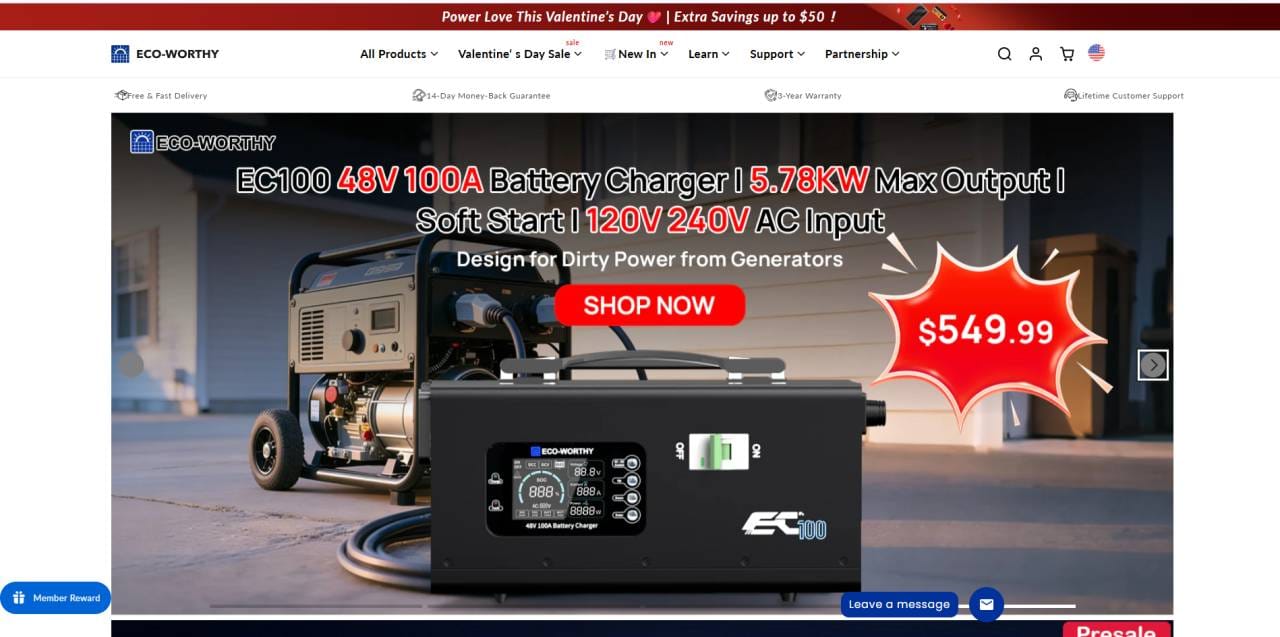
ECO-WORTHY 400W Solar Panel Kit
| Detail | Info |
|---|---|
| Wattage | 400W |
| Efficiency | 21% |
| Weight | 42 lbs |
| Wind Rating | 2,400 Pa |
| Temperature Range | -40°F to 185°F |
| Price Range | $$ |
| Best For | Budget 400W systems |
ECO-WORTHY’s 400W kit provides an economical entry point for comprehensive RV solar panels Wyoming installations, bundling four 100W panels with a 30A charge controller and mounting hardware. While not the most sophisticated system available, it delivers functional performance for budget-conscious adventurers exploring Wyoming’s remarkable landscapes.
The kit’s 21% panel efficiency generates adequate power at Wyoming elevations—approximately 1,800-2,200 watt-hours daily during peak summer months. The 20% altitude boost transforms this nominally 400W system into the equivalent of a 480W sea-level installation, providing sufficient energy for moderate electrical demands including refrigeration, lighting, water pumps, and device charging. However, power-hungry appliances like air conditioners or microwaves will likely require generator supplementation.
Wind resistance represents this kit’s primary limitation for Wyoming applications. The 2,400 Pa rating meets basic standards, but the lightweight aluminum frames flex noticeably under strong wind loading. Wyoming users should invest in heavy-duty mounting brackets—particularly Z-brackets that distribute loads across broader roof areas—and consider adhesive reinforcement at mounting points. Avoid parking broadside to prevailing winds when possible, and be prepared to deploy additional tie-downs during severe weather warnings.
The included PWM charge controller represents another compromise. While functional, PWM technology sacrifices 15-25% of potential energy harvest compared to MPPT alternatives, partially offsetting Wyoming’s altitude advantages. Budget-conscious buyers might consider purchasing panels separately and investing in a quality MPPT controller—the long-term energy gains justify the upfront cost difference.
Temperature performance from -40°F to 185°F adequately covers Wyoming’s range, and the tempered glass construction has demonstrated reasonable hail resistance during testing. Multiple users report satisfactory performance over 2-3 season timeframes, though longevity questions remain compared to premium alternatives.
Best for: Budget-focused RV owners seeking basic 400W solar capability for seasonal Wyoming camping without premium equipment costs.
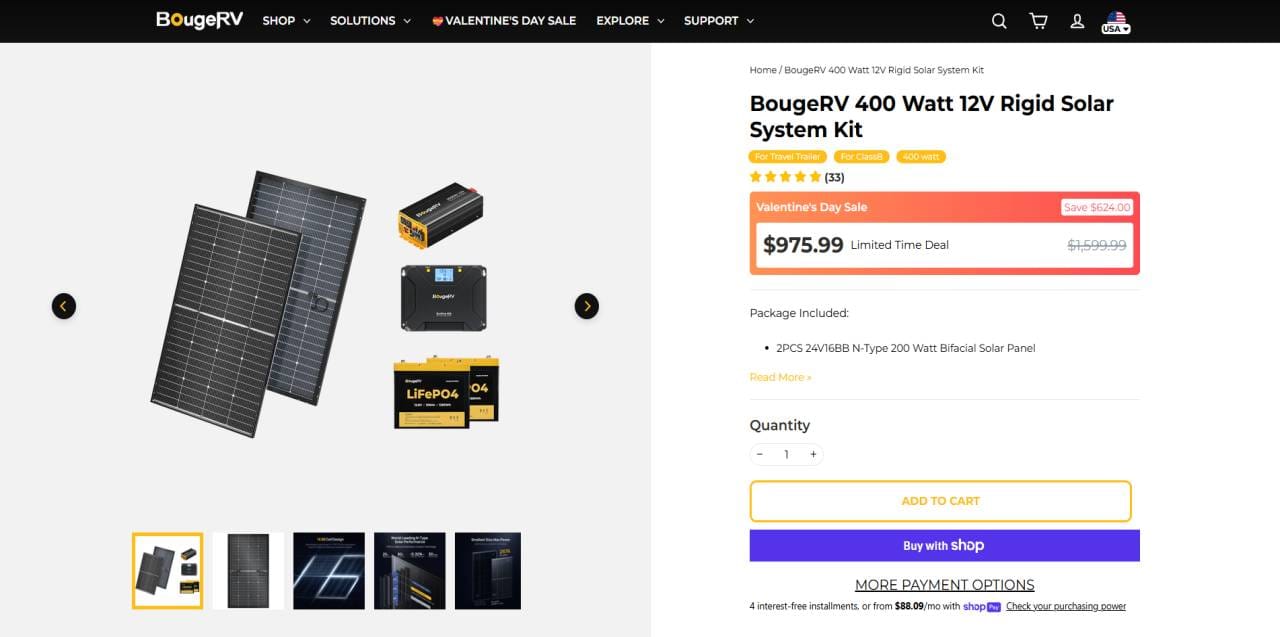
BougeRV 400W Solar Panel Kit
| Detail | Info |
|---|---|
| Wattage | 400W |
| Efficiency | 23% |
| Weight | 35 lbs |
| Wind Rating | 5,400 Pa |
| Temperature Range | -40°F to 185°F |
| Price Range | $$$ |
| Best For | Premium RV setups |
BougeRV’s 400W kit represents the premium tier of RV solar panels Wyoming installations, combining 23% efficiency monocrystalline panels with robust construction and comprehensive accessories. For serious full-timers and extended-adventure enthusiasts, this system justifies its higher cost through superior performance and durability.
The 23% efficiency rating means these panels extract maximum energy from Wyoming’s exceptional solar resource. At the state’s average 6,700-foot elevation, this 400W system performs comparably to a 480W sea-level installation, but the high-efficiency cells extend this advantage further—generating 2,200-2,600 watt-hours daily during summer months. This output supports significant electrical loads, potentially eliminating generator use for weeks at a time when coupled with adequate battery capacity.
Wind resistance specifications (5,400 Pa) provide confidence for Wyoming’s harshest conditions. The heavy-duty aluminum frames feature reinforced corners and thicker extrusions than budget alternatives, minimizing flex during wind events. Users parking at exposed locations like Seminoe State Park or high-elevation dispersed sites in the Medicine Bow Mountains report excellent durability through multiple Wyoming wind seasons. The panels maintain secure mounting even during 70+ mph gusts when installed with appropriate hardware.
The kit includes a sophisticated 40A MPPT charge controller with Bluetooth monitoring, allowing real-time system performance tracking via smartphone. This capability proves valuable for optimizing panel positioning at unfamiliar Wyoming campsites and diagnosing performance issues before they become critical. Temperature compensation ensures optimal battery charging across Wyoming’s -40°F to 185°F temperature swings, protecting expensive battery banks while maximizing charge acceptance rates.
Additional kit components include pre-crimped cables, MC4 connectors, mounting brackets, and comprehensive documentation. While BougeRV recommends their mounting hardware, Wyoming users should consider upgrading to stainless steel Z-brackets with additional anchoring points for maximum wind resistance.
Best for: Premium-focused RV owners seeking maximum performance, durability, and monitoring capabilities for extended Wyoming adventures.
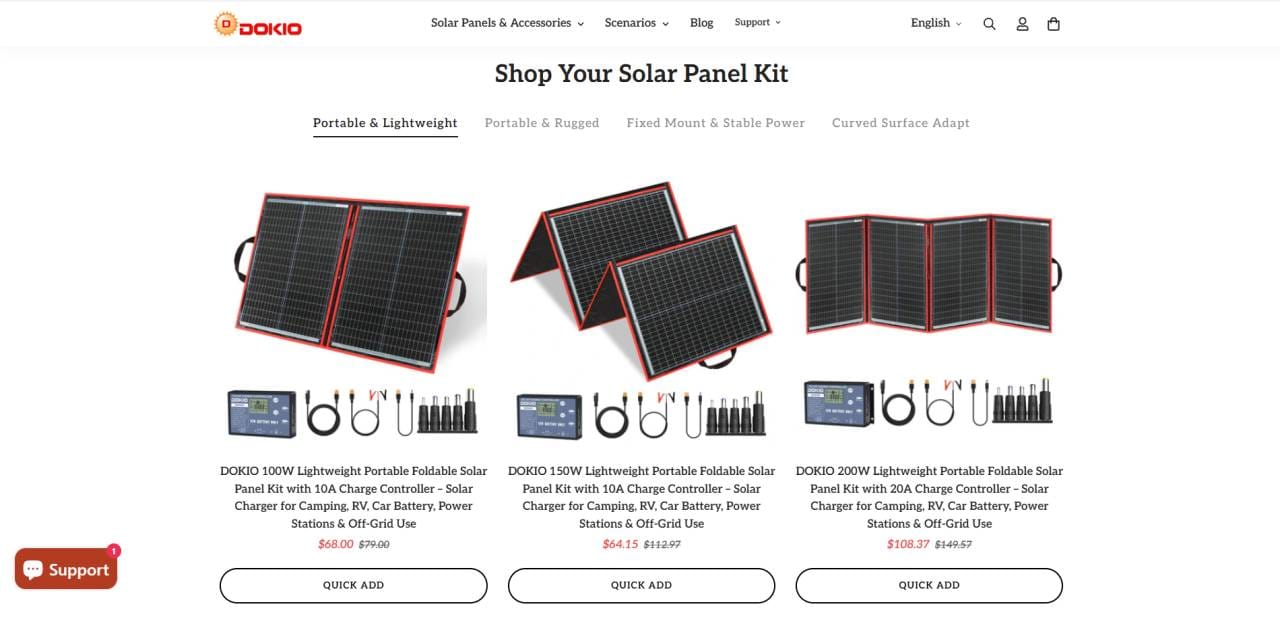
Dokio 300W Portable Solar Panel Kit
| Detail | Info |
|---|---|
| Wattage | 300W |
| Efficiency | 22% |
| Weight | 18 lbs |
| Wind Rating | N/A |
| Temperature Range | -4°F to 176°F |
| Price Range | $$$ |
| Best For | Temporary / portable use |
Dokio’s 300W portable kit serves a specialized niche in RV solar panels Wyoming applications—providing temporary, high-output solar collection without permanent roof mounting. This briefcase-style system folds for compact storage and deploys rapidly at campsites, making it ideal for RVers hesitant about drilling roof penetrations or needing supplemental power beyond fixed installations.
The 22% efficiency rating ensures strong performance, and Wyoming’s altitude advantage applies equally to portable systems. Positioned optimally at a Wyoming campsite (facing south, tilted to match latitude), this 300W portable array can generate 1,400-1,800 watt-hours daily during summer months—comparable to many fixed 400W installations at sea level. The ability to reposition throughout the day for optimal sun tracking can boost production another 15-25%, partially compensating for the smaller panel area.
However, wind presents significant challenges for portable RV solar panels Wyoming applications. The system lacks the wind rating specifications of roof-mounted alternatives because proper deployment requires securing the panels with the included kickstands and supplementary tie-downs. During Wyoming’s frequent 30-40 mph wind days, users must carefully orient panels to minimize wind loading and add sandbags or stake-down points. Gusts exceeding 50 mph generally require panel storage to prevent damage—limiting usability during Wyoming’s windiest periods.
Temperature performance from -4°F to 176°F falls short of the state’s coldest conditions, restricting this system to spring-through-fall use. The integrated charge controller handles basic charging functions adequately, though serious users often bypass it in favor of their RV’s existing MPPT controller for better performance.
The system’s true value emerges for weekend warriors exploring destinations like Devil’s Tower or Flaming Gorge, where quick setup and takedown trump permanent installation advantages. The portable configuration also allows parking in shaded campsites while positioning panels in nearby sunny clearings—valuable at heavily-forested Wyoming campgrounds.
Best for: Weekend and seasonal RV users seeking portable solar solutions for Wyoming camping without permanent installation commitment.
WEIZE 200W Monocrystalline Solar Panel
| Detail | Info |
|---|---|
| Wattage | 200W |
| Efficiency | 21% |
| Weight | 28 lbs |
| Wind Rating | 2,400 Pa |
| Temperature Range | -40°F to 185°F |
| Price Range | $$ |
| Best For | Reliable long-term use |
WEIZE’s 200W monocrystalline panel delivers reliable, no-frills performance for RV solar panels Wyoming installations where dependability trumps cutting-edge specifications. The 21% efficiency rating positions this panel in the middle of the performance spectrum, but consistent quality control and proven durability have earned strong user reviews.
At Wyoming elevations, this panel generates approximately 1,000-1,200 watt-hours daily during summer months—sufficient for maintaining battery charge, running refrigerators, and supporting moderate electrical loads. The altitude advantage effectively provides 240W equivalent sea-level performance, making two WEIZE panels (nominally 400W) perform comparably to a 480W system in coastal regions. This efficiency allows RV owners to install smaller, lighter systems while achieving target power production.
The 2,400 Pa wind rating meets minimum standards for Wyoming conditions, requiring careful mounting for maximum durability. Users report satisfactory performance at protected campgrounds and forested sites, though those frequenting exposed high-plains locations should consider panels with higher wind ratings. Proper installation using stainless steel hardware, reinforced brackets, and sealed penetrations proves essential for long-term reliability in Wyoming’s harsh environment.
Temperature tolerance from -40°F to 185°F fully encompasses Wyoming’s extremes, and the panel’s robust junction box features excellent waterproofing against the state’s occasional heavy thunderstorms. The tempered glass surface has demonstrated good hail resistance, though RVers should seek covered parking during severe hail warnings when possible—Wyoming ranks among the nation’s highest hail-frequency states.
The panel ships with 3-foot cable leads and MC4 connectors, simplifying installation. WEIZE backs their products with responsive customer service, and the company maintains adequate inventory for replacement components if needed—valuable for full-timers far from major retail centers.
Best for: RV owners seeking reliable, straightforward RV solar panels Wyoming performance without premium pricing or advanced features.
Acopower 200W Portable Solar Panel Kit
| Detail | Info |
|---|---|
| Wattage | 200W |
| Efficiency | 21.5% |
| Weight | 22 lbs |
| Wind Rating | N/A |
| Temperature Range | -4°F to 176°F |
| Price Range | $$$ |
| Best For | Seasonal users |
Acopower’s 200W portable kit rounds out our RV solar panels Wyoming recommendations, targeting users who prioritize flexibility and ease of use over maximum power generation. This briefcase-style system stores compactly and deploys in minutes, making it accessible even for solar novices intimidated by permanent installations.
The 21.5% efficiency rating ensures respectable performance, generating 800-1,000 watt-hours daily during Wyoming summer months when properly positioned. The altitude boost at Wyoming elevations means this 200W portable performs comparably to a 240W sea-level installation—adequate for weekend trips focused on maintaining battery charge and running essential electronics. The integrated charge controller handles basic charging functions, though power users may prefer connecting through their RV’s existing MPPT controller.
Wind limitations restrict this system’s Wyoming utility during the state’s windiest periods. The lightweight kickstands provide minimal wind resistance, and users must exercise caution when deploying in locations experiencing sustained winds above 25-30 mph. Wyoming’s frequent 40-50 mph spring winds require storing panels inside RVs to prevent damage, limiting solar collection during precisely the season when long days offer maximum generation potential.
The -4°F to 176°F temperature range restricts use to Wyoming’s milder months, eliminating winter camping applications. However, for seasonal visitors exploring Wyoming from May through September, this limitation rarely impacts practical utility. The portable configuration allows optimal positioning regardless of RV parking orientation—valuable when campsites force north-facing parking or trees shade roof-mounted panels.
The system includes a durable carrying case, and at 22 pounds, most users can transport and position panels without assistance. This portability proves especially valuable for tent campers and van-lifers exploring Wyoming’s dispersed camping areas, where setting up portable panels away from vehicle shade maximizes production.
Best for: Seasonal and weekend RV users seeking portable, easy-to-deploy solar collection for Wyoming adventures without permanent mounting requirements.
High Altitude Solar Performance: Wyoming’s Unique Advantages
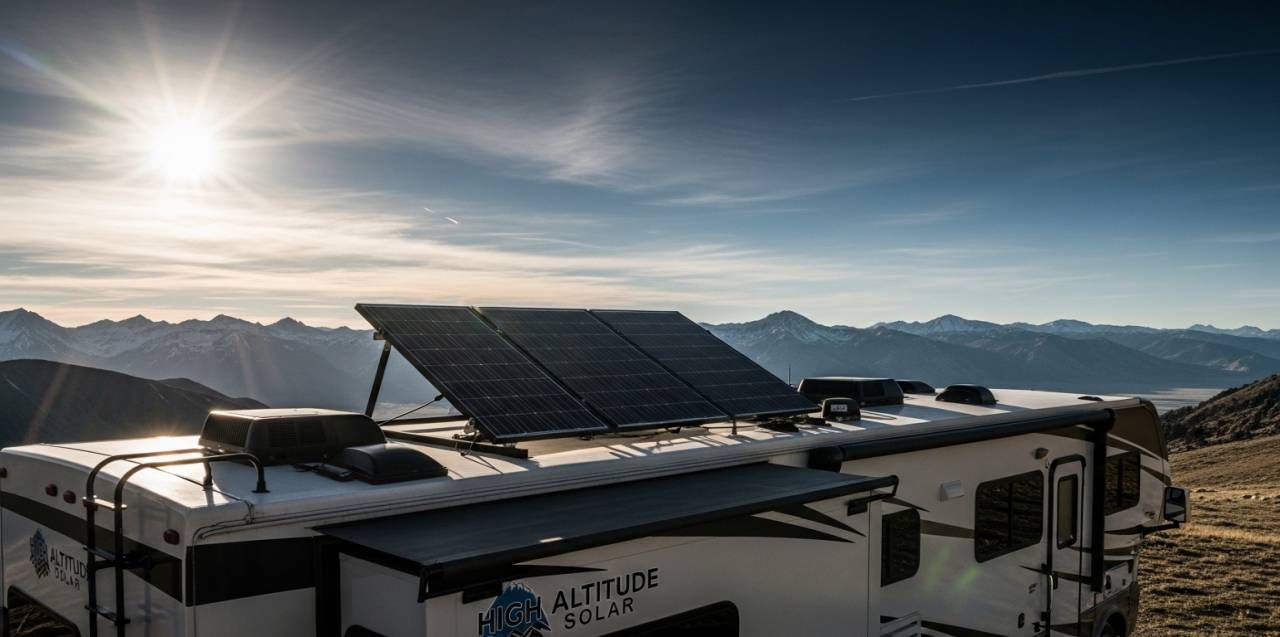
Wyoming’s remarkable elevation delivers game-changing advantages for RV solar panels. Understanding these benefits allows optimizing system design while capitalizing on conditions unavailable in most other states.
The Altitude Effect
Solar radiation strengthens approximately 1-2% for every 1,000 feet of elevation gain. At Wyoming’s average 6,700-foot elevation, panels receive roughly 13-15% more solar energy than identical installations at sea level—even before considering the state’s exceptional atmospheric clarity and low humidity. When combined with Wyoming’s high annual sunshine hours (averaging 200-225 sunny days), these factors create approximately 20% greater total energy production compared to coastal installations.
This altitude advantage fundamentally changes system sizing calculations. An RV owner needing 400W of capacity at sea level may achieve equivalent daily energy harvest with just 320-350W of panels in Wyoming. This reduction means lighter roof loads, lower upfront costs, and simplified installation—particularly valuable for RVers with weight restrictions or limited roof space.
Temperature Considerations
While Wyoming’s elevation increases solar radiation, it simultaneously exposes panels to more extreme temperature swings. Solar panels actually operate more efficiently in cold temperatures—producing 10-15% more power at 0°F compared to 77°F (standard test conditions). Wyoming winter days frequently deliver brilliant sunshine combined with sub-freezing temperatures, creating ideal generation conditions.
However, extreme cold below -20°F can impact certain panel components. Cheaper panels with lower-grade junction boxes may experience connector brittleness and seal failures. This reality makes investing in RV solar panels Wyoming-rated to -40°F operationally critical for year-round use. The temperature coefficient specification becomes equally important—look for values around -0.35%/°C or better to minimize performance degradation during hot summer periods when roof temperatures exceed 140°F.
System Sizing Strategy
Wyoming’s altitude advantage allows downsizing systems compared to sea-level requirements:
Conservative approach: Calculate power needs based on sea-level requirements, then reduce total wattage by 15-20%. A typical calculation might show 600W needed at sea level, reduced to 480-500W for Wyoming installations. This approach maintains safety margins for cloudy periods and winter conditions.
Aggressive approach: Reduce wattage by 20-25% and invest savings in additional battery capacity. This strategy recognizes that Wyoming’s consistent sunshine and altitude advantages make oversized panel arrays less critical than adequate energy storage.
Balanced approach: Reduce panel wattage by 15% while adding one extra battery. This provides both generation and storage headroom for challenging weather while capitalizing on installation cost savings.
Remember that altitude advantages apply primarily to direct sunlight conditions. During overcast days or storms, production differences between Wyoming and sea-level locations narrow considerably. Size systems conservatively if you’ll be camping during shoulder seasons when weather becomes more variable.
Wind Resistance: Wyoming’s Critical Specification
Wind represents the single greatest threat to RV solar panels Wyoming installations. Understanding wind loading and implementing proper mounting techniques separates successful long-term installations from systems destroyed during the first major wind event.
Understanding Wind Loads
Wind pressure increases exponentially with wind speed. A panel experiencing 400 Pa (Pascals) of pressure at 40 mph faces 1,600 Pa at 80 mph—four times the force despite doubling wind speed. Wyoming’s documented 80+ mph gusts in exposed locations create tremendous forces on roof-mounted solar panels, making robust mounting absolutely essential.
Panel specifications typically list wind load ratings in Pascals (Pa). The minimum acceptable rating for RV solar panels Wyoming installations should be 2,400 Pa, equivalent to approximately 60 mph sustained winds. Premium panels rated to 5,400 Pa withstand roughly 90 mph winds—providing crucial safety margins for Wyoming conditions.
Professional Mounting Techniques
Z-Bracket Systems: Traditional L-brackets create point loads concentrated at mounting screw locations. Z-brackets distribute forces across longer roof sections, reducing stress concentrations. For Wyoming installations, use stainless steel Z-brackets with minimum 6-inch contact length, positioned to align with RV roof structural ribs when possible.
Mounting Hardware: Never use self-tapping screws alone for Wyoming RV solar installations. Drill appropriately-sized pilot holes, apply butyl rubber sealant to threads, and use stainless steel screws with oversized neoprene washers. Torque fasteners to manufacturer specifications—over-tightening crushes roof substrates while under-tightening allows wind-driven movement that elongates holes over time.
VHB Tape Supplementation: For fiberglass and aluminum roofs, supplement mechanical fasteners with 3M VHB tape between mounting brackets and roof surface. This creates redundant attachment while distributing loads more evenly. Clean surfaces thoroughly with isopropyl alcohol before tape application, and allow 24-48 hours curing before exposing installations to high winds.
Panel Positioning: Mount panels with long axis parallel to prevailing wind direction when roof layout permits. This orientation minimizes broadside wind loading while reducing the likelihood of wind working beneath panel edges. Leave minimum 2-inch gaps between panels and roof protrusions (vents, air conditioners) to prevent turbulence-driven vibration.
Location-Specific Considerations
Wyoming’s wind patterns vary dramatically by region:
Eastern Plains (Cheyenne, Torrington): Notorious for sustained 30-50 mph westerly winds during spring, with gusts exceeding 80 mph. This region demands maximum-rated panels with reinforced mounting. Consider aerodynamic panel edge treatments and avoid parking broadside to prevailing winds.
Bighorn Basin (Cody, Thermopolis): Channeling effects through mountain valleys create localized high-wind zones. Research specific campground wind exposure before extended stays, and prepare to relocate if sustained winds threaten installations.
Jackson Hole Area: Mountain-valley dynamics produce complex, variable wind patterns. Afternoon thermal winds frequently reach 25-35 mph, while winter inversion-breakup events can generate sudden powerful gusts from unexpected directions.
High Plains (Casper, Rawlins): Extremely exposed to continental weather patterns, with consistent moderate winds (15-25 mph) punctuated by severe events exceeding 70 mph. Full-time residents should inspect mounting hardware quarterly and retorque fasteners annually.
Also Read:- Billings RV Solar Installation: Top 5 Local Shops + Complete DIY Guide (2026)
Comprehensive Buying Guide for Wyoming RV Solar
Essential Specifications
When evaluating RV solar panels Wyoming applications, prioritize these specifications:
Wind Load Rating: Minimum 2,400 Pa for occasional Wyoming use; 5,400 Pa for frequent or full-time exposure. This specification proves non-negotiable—under-rated panels will fail, creating both replacement costs and potential RV roof damage.
Temperature Range: Minimum -40°F to 176°F for year-round capability. Summer-only users can accept -4°F lower limits, but Wyoming’s unpredictable weather makes conservative specifications wise.
Efficiency Rating: Target 21-23% for monocrystalline panels. Higher efficiency reduces required roof area and system weight—valuable for limited installation space. Polycrystalline alternatives (17-19% efficiency) work adequately but require larger installations for equivalent output.
Warranty Coverage: Minimum 25-year power warranty (typically guaranteeing 80% output after 25 years) and 5-year workmanship warranty. Manufacturers standing behind products this long demonstrate quality confidence, though note that warranty claims can prove challenging from remote Wyoming locations.
System Component Selection
Charge Controllers: MPPT controllers cost 50-100% more than PWM alternatives but deliver 15-30% more energy harvest—particularly valuable during Wyoming’s variable spring and fall weather when partial cloud coverage reduces panel output. For systems exceeding 200W, MPPT technology pays for itself through increased production within 2-3 years.
Battery Capacity: Wyoming’s altitude advantages allow reducing panel wattage, but battery capacity should match or exceed sea-level recommendations. The state’s temperature extremes stress batteries, and adequate capacity provides cushion for multi-day storm events when solar production drops. Budget minimum 200Ah lithium or 400Ah AGM for full-time Wyoming use with 400W solar installations.
Wiring and Connectors: Use 10-gauge wire minimum for runs exceeding 10 feet, 8-gauge for 20+ foot runs. MC4 connectors should be premium brands with UV-resistant housings and IP67 waterproofing. Cheap connectors develop high resistance over time, reducing system efficiency and creating fire hazards. Given Wyoming’s intense UV exposure and temperature swings, investing in quality connectivity pays long-term dividends.
Flexible vs. Rigid Panels
Rigid Panel Advantages:
- Superior wind resistance through mechanical mounting
- Better heat dissipation via air gap beneath panels
- Longer lifespan (25+ years vs. 5-10 years for flexible)
- Wider temperature operating ranges
- Better hail resistance
Flexible Panel Advantages:
- Installation on curved surfaces
- Minimal weight impact (critical for pop-ups)
- Low-profile reduces wind resistance while driving
- Can conform to RV roof contours
For Wyoming applications, rigid panels generally prove superior unless RV configuration absolutely requires flexible alternatives. The state’s wind conditions and temperature extremes play to rigid panels’ strengths while exposing flexible panels’ limitations.
Budget Considerations
Expect these investment levels for complete RV solar panels Wyoming systems:
Entry Level ($500-800): 200-300W rigid panels, PWM controller, basic mounting hardware. Adequate for weekend use maintaining battery charge, not suitable for running significant loads.
Mid-Range ($1,200-2,000): 400W rigid panels, 30-40A MPPT controller, quality mounting hardware, battery monitoring. Supports moderate electrical loads for extended boondocking, suitable for serious recreational use.
Premium ($2,500-4,000): 600-800W high-efficiency panels, 60A MPPT controller with Bluetooth monitoring, professional-grade mounting systems, potentially including battery bank upgrades. Supports full-time living with minimal generator use.
Wyoming’s altitude advantage means mid-range systems often deliver premium-level performance, making the $1,500-2,000 investment range particularly attractive for cost-conscious buyers seeking serious capability.
Installation Best Practices for Wyoming Conditions
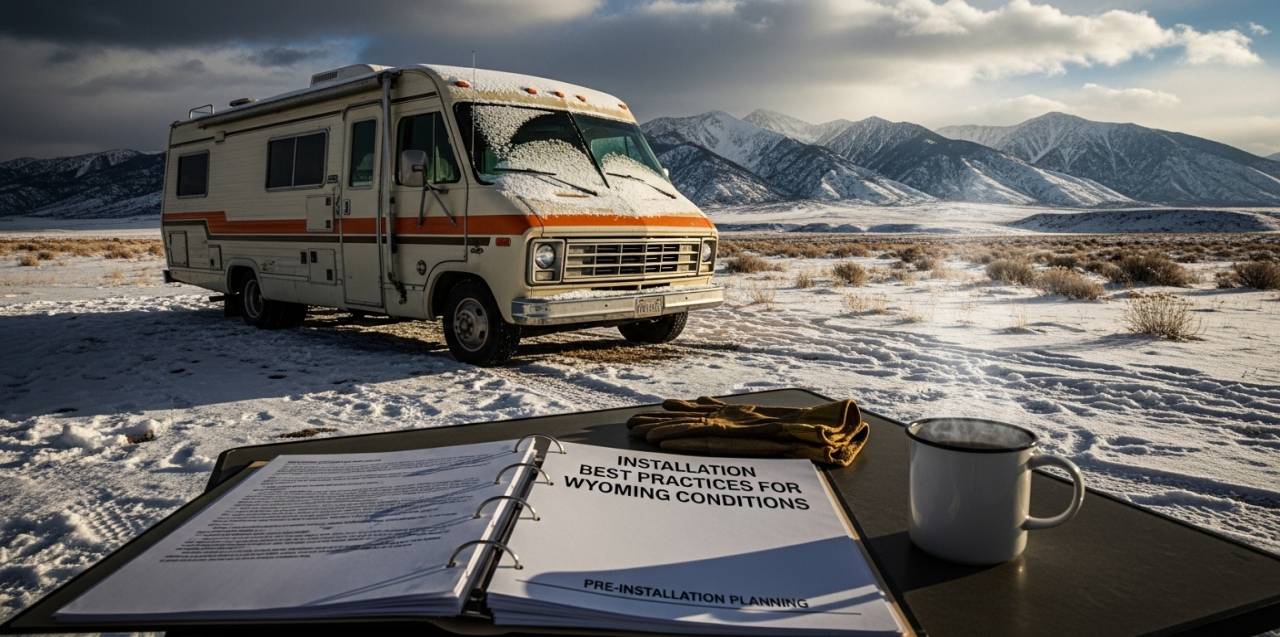
Pre-Installation Planning
Pre-Installation Planning
Roof Survey: Map all roof penetrations, structural members, and curved sections before purchasing panels. Wyoming installations should prioritize areas with maximum structural support—avoid spanning weak sections unsupported by underlying framework.
Electrical Planning: Determine charge controller location (typically inside RV near battery bank), cable routing paths, and breaker/disconnect placement before starting installation. Wyoming’s temperature extremes make interior cable routing preferable to exterior runs when possible.
Sealant Selection: Use butyl rubber or polyether sealants rated for -40°F to 300°F temperature ranges. Silicone sealants become brittle in extreme cold and fail prematurely in Wyoming conditions. Apply sealant generously at all penetrations—Wyoming’s occasional heavy rains and spring snowmelt can exploit even small gaps.
Mounting Sequence
- Dry-fit panels: Position panels on roof, checking clearances around vents, air conditioners, and ladder attachments. Mark mounting bracket locations with tape.
- Install brackets: Drill pilot holes sized appropriately for fasteners. Clean holes with compressed air, apply sealant to fastener threads, install brackets with neoprene washers. For Z-brackets, apply VHB tape to contact surfaces before mechanical fastening.
- Allow sealant curing: Wait minimum 24 hours after mounting bracket installation before attaching panels. This allows sealants to develop full strength, preventing leaks during panel attachment torquing.
- Attach panels: Lift panels carefully (get assistance—wind can catch panels like sails), align with mounting brackets, and secure using stainless steel hardware. Apply measured torque to prevent both under-tightening and over-compression.
- Electrical connections: Run cables through roof glands sealed with abundant sealant. Connect panels in series (for higher voltage) or parallel (for higher current) based on charge controller specifications. Test system before finalizing cable routing.
- Final inspection: Check all penetrations for complete sealant coverage. Verify no cable chafe points exist where movement could wear through insulation. Test system under load before declaring installation complete.
Wyoming-Specific Modifications
Wind Deflectors: Consider fabricating simple aluminum angle deflectors for roof leading edges. These direct wind upward rather than allowing flow beneath panel edges, reducing uplift forces. Paint deflectors white to minimize heat gain.
Secondary Retention: For exposed parking, install safety cables from panel frames to roof structural members. Use coated aircraft cable (1/16-inch diameter) crimped in loops around panel frames and through eyebolts mounted to roof structure. These provide backup if primary mounting fails during extreme winds.
Seasonal Adjustments: If parking for extended periods, consider tiltable mounting systems allowing panel angle adjustments. Wyoming’s winter sun tracks much lower than summer sun—tilting panels toward the equator increases cold-season production 30-50%.
Power Requirements: Wyoming Destination Guide
Yellowstone National Park (7,000-8,000 ft elevation)
Yellowstone National Park
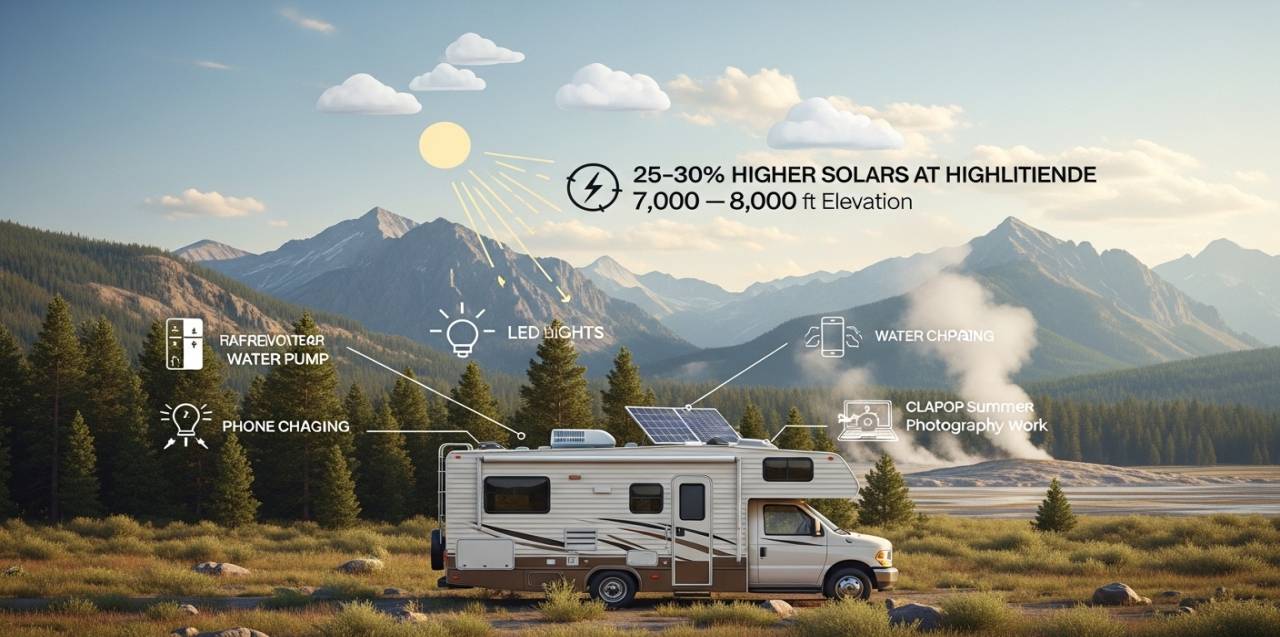
Yellowstone camping presents unique power challenges. Most campgrounds offer electrical hookups, but backcountry and overflow areas require self-sufficiency. At elevations between 7,000-8,000 feet, RV solar panels Wyoming installations enjoy 25-30% production boosts compared to sea-level performance.
Daily Power Budget (Summer Dry Camping):
- Refrigerator (12V compressor): 800-1,000 Wh
- LED Lighting (4 hours): 40-60 Wh
- Water pump: 50-100 Wh
- Device charging (phones, cameras): 40-80 Wh
- Laptop use (wildlife photo processing): 100-150 Wh
- Total: 1,030-1,390 Wh daily
A 300W system at Yellowstone elevations produces 1,500-1,800 Wh daily during summer months, providing comfortable margins for the above loads. Visitors exploring thermal features and watching wildlife often spend limited time in RVs, reducing actual power consumption below estimates.
Weather Considerations: Yellowstone experiences frequent afternoon thunderstorms during July-August, temporarily reducing solar production. Size systems assuming 30% production reduction during storm events. The park’s elevation keeps temperatures moderate even during summer, maximizing panel efficiency.
Grand Teton National Park (6,500-7,000 ft elevation)
Grand Teton’s campgrounds fill rapidly during peak season, and boondocking opportunities exist on surrounding National Forest lands at various elevations. The Tetons create dramatic weather patterns, with clear mornings often giving way to afternoon clouds.
Daily Power Budget (Extended Boondocking):
- Refrigerator: 800-1,000 Wh
- Lighting: 60-100 Wh
- Water pump: 75-125 Wh
- Electronics charging: 60-100 Wh
- Furnace fan (shoulder season): 200-400 Wh
- Total: 1,195-1,725 Wh daily
Shoulder-season visitors (May, September-October) should account for furnace power consumption as nighttime temperatures frequently drop below freezing. A 400W solar system provides adequate energy for these loads while maintaining battery charge through variable weather conditions.
Positioning Strategy: The Tetons block eastern sky until 8-9 AM at valley campgrounds. Position RVs to maximize southern exposure, accepting delayed morning production in exchange for full midday and afternoon collection when sun clears peaks.
Also Read:- Missoula RV Solar: Best Panels for Western Montana Climate
Flaming Gorge (6,000-6,500 ft elevation)
Flaming Gorge offers exceptional boondocking opportunities with generally reliable weather patterns. The high desert environment delivers outstanding solar production, though summer temperatures can reduce panel efficiency during peak afternoon hours.
Daily Power Budget (Water Recreation Focus):
- Refrigerator: 800-1,000 Wh
- Lighting: 50-80 Wh
- Water pump (heavy use): 100-150 Wh
- Device charging: 80-120 Wh
- 12V fan circulation: 100-200 Wh
- Total: 1,130-1,550 Wh daily
Summer visitors spend days on water, returning to RVs primarily for sleeping and meals—reducing electrical consumption despite higher loads from fans combating afternoon heat. A 300W system easily supports these demands while providing surplus for battery equalization charging.
Temperature Management: Flaming Gorge area temperatures can exceed 90°F during July-August. Roof-mounted panels reach 130-150°F, reducing efficiency 15-20% compared to rated specifications. Factor this derating when sizing systems for summer use.
Devil’s Tower (3,500-4,000 ft elevation)
Devil’s Tower and the surrounding Black Hills region offer numerous camping opportunities at moderate elevations. While lower than western Wyoming, the area still delivers 10-15% solar production advantages over sea-level installations.
Daily Power Budget (Typical Recreational Use):
- Refrigerator: 800-1,000 Wh
- Lighting: 40-60 Wh
- Water pump: 50-100 Wh
- Device charging: 40-80 Wh
- Entertainment (TV, satellite): 100-200 Wh
- Total: 1,030-1,440 Wh daily
The region experiences reliable sunshine throughout summer months, with afternoon thunderstorms less frequent than western mountains. A 250-300W solar system provides adequate power for recreational camping while maintaining equipment simplicity.
Wind Precautions: The Black Hills-High Plains transition zone experiences sudden severe wind events during spring and fall. Temporary visitors should prepare to retract portable panels and ensure roof-mounted installations use maximum-specification mounting hardware.