Imagine this: It’s 10 PM in Lagos or Abuja. NEPA has taken light again for the third time today. Your kids are trying to read by phone torch, the fan is dead, and your small generator is coughing up expensive fuel. Sound familiar?
Now picture the same night with steady lights, a working fan, TV for the family, and even your fridge staying cold — all powered silently by the sun. No more noisy gen, no more crazy fuel bills, and no more darkness.
That reality is closer than you think in 2026. With falling prices and better technology, a cheap solar system in Nigeria is now within reach for many families and small businesses. Whether you’re in a rented apartment in Surulere or a house in Kano, you can start small and scale up.
In this complete guide, I’ll walk you through everything — from the cheapest entry-level options to full home systems — using real 2026 prices, honest comparisons, and practical tips from everyday Nigerians who have already made the switch.
Why a Cheap Solar System Makes Sense in Nigeria Right Now
Electricity tariffs keep rising while grid supply remains unreliable. Many people now pay more for fuel and diesel than they would for solar over time. Solar energy has become not just an alternative, but often the smarter and quieter choice.
The good news? You don’t need millions to start. In 2026, entry-level solar systems begin from as low as ₦100,000–₦300,000 for basic lighting and phone charging, while a decent home setup that runs fans, TV, fridge and lights can start around ₦650,000–₦1.5 million depending on quality.
Portable Solar vs Full Home Solar System – Which One Should You Buy?
Most Nigerians start with something simple before going big. Here’s a clear breakdown:
Small Portable / All-in-One Systems
- Perfect for renters or beginners
- No installation needed — just plug and play
- Good for lighting, fans, phones, small TV
- Easy to move or take when you change house
Full Rooftop or Hybrid Cheap Solar System
- Powers more appliances including fridge, blender, pumping machine
- Can be expanded later
- Works even when NEPA is off (hybrid)
- Better long-term value
Here’s a helpful comparison table for 2026 prices:
| System Type | What It Can Power | Approx. Cost (₦) | Best For |
|---|---|---|---|
| Basic Lantern / 50-100W Kit | Lights + Phone charging | 10,000 – 100,000 | Students, small shops |
| 1–1.5kVA Starter System | Lights, 2–3 fans, TV, small fridge | 480,000 – 750,000 | 1–2 bedroom apartment |
| 2.5–3.5kVA Mid-Range | Fridge, fans, TV, blender, laptop | 1,000,000 – 2,100,000 | Family home or small business |
| 5kVA+ Full Home System | AC (occasionally), freezer, more loads | 2,500,000 – 5,800,000 | Larger homes or offices |
How Much Solar Panel, Inverter, and Battery Do You Really Need?
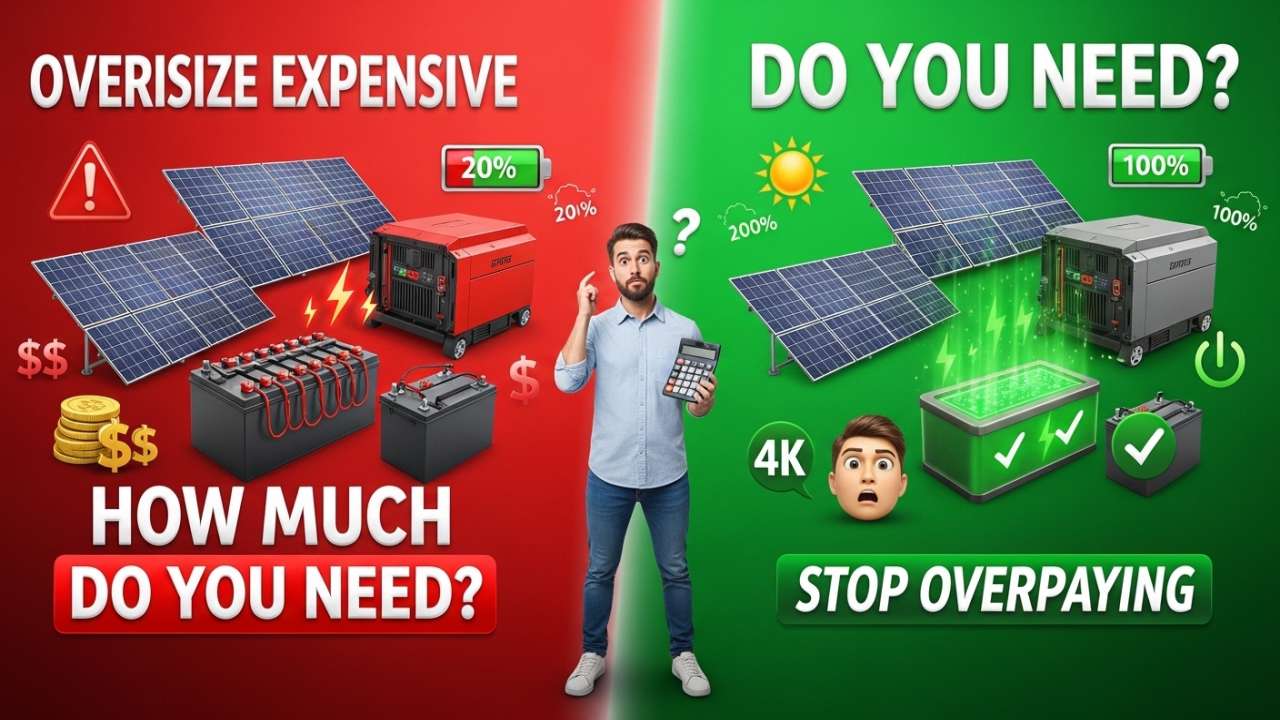
Start by listing what you want to power daily:
- LED bulbs and fans: low watts
- Fridge: medium load
- TV, decoder, phones: small but constant
- Pumping machine or AC: high load
A typical family using lights, 3 fans, TV and fridge needs roughly a 1.5kVA–3.5kVA inverter with 2–4 good batteries and 4–8 solar panels.
Current 2026 price examples (average market rates):
- 100W Solar Panel: ₦22,000 – ₦45,000
- 200W–300W Solar Panel: ₦32,000 – ₦60,000
- 1.5kVA Inverter: ₦120,000 – ₦190,000
- 200Ah Battery (Tubular): ₦180,000 – ₦230,000
- Lithium Battery (better lifespan): higher but lasts longer
Pro tip: Always choose MPPT charge controller instead of cheap PWM — it gives you more power from the same panels.
Step-by-Step: How to Build Your Own Cheap Solar System in Nigeria
- Calculate your daily power need (add watts of appliances × hours used)
- Choose inverter size (at least 30–50% higher than your total load)
- Decide on battery type — tubular for budget, lithium for longevity
- Buy quality solar panels (monocrystalline preferred)
- Get proper wiring, fuses and installation
Many people start with a small kit and add more panels and batteries later as budget allows.
Here’s another useful table showing popular budget setups in 2026:
| Setup Name | Key Components | Approx. Total Cost (₦) | What It Runs Comfortably |
|---|---|---|---|
| Entry Lighting Kit | 100W panel + small controller + bulbs | 50,000 – 150,000 | 4–6 lights + phone charging |
| 1.5kVA Basic Home | 1.5kVA inverter + 2×200Ah battery + 2–4 panels | 650,000 – 950,000 | Lights, fans, TV, small fridge |
| 3kVA Family System | 3kW inverter + lithium option + 4–6 panels | 1,490,000 – 2,500,000 | Full small home (fridge, blender, etc.) |
| 5kVA Reliable Setup | 5kVA hybrid + good batteries + 8+ panels | 2,800,000 – 5,000,000 | Larger home with occasional AC |
Smart Buying Tips for a Cheap Solar System in Nigeria 2026
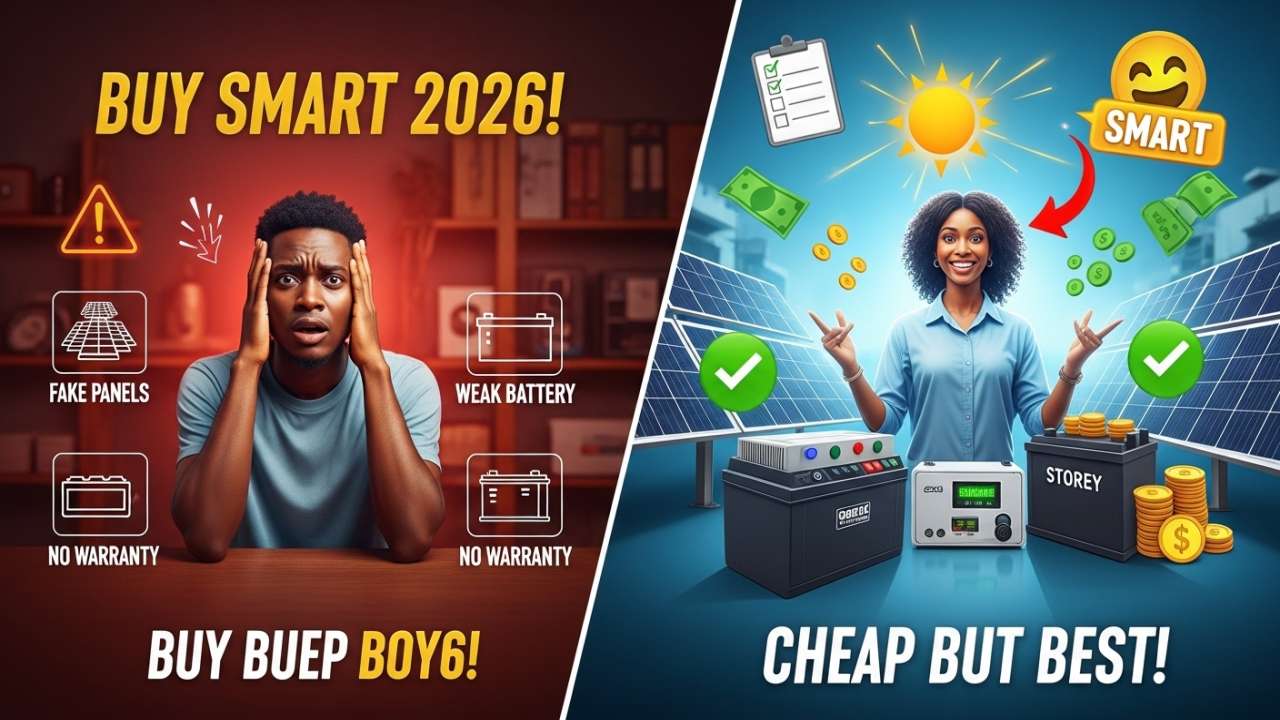
- Buy from trusted sellers in Alaba, Computer Village, or online platforms with good reviews.
- Check warranty — good panels give 25 years, inverters 1–2 years minimum.
- Prefer monocrystalline solar panels for better efficiency in hot Nigerian weather.
- Consider pay-small-small options from companies like Sun King or financing plans.
- Always verify the seller’s installation experience — bad wiring can damage everything.
For official information on renewable energy incentives, you can check resources from the Nigerian Rural Electrification Agency or Energy Commission of Nigeria.
Is a Cheap Solar System Worth It in 2026?
Yes — especially if you suffer frequent blackouts. Many families recover their investment in 3–5 years through saved fuel and generator maintenance costs. Plus, you get quiet nights and steady power for your children’s education and your business.
Prices have become more competitive, and quality has improved. Starting small is perfectly fine — many people began with just lights and later upgraded to a full cheap solar system.
FAQ: Answers to Real Questions Nigerians Ask About Solar System
How much is a complete cheap solar system for a 2-bedroom flat in 2026? A good starter system costs between ₦650,000 and ₦1.2 million depending on whether you choose tubular or lithium batteries.
Can a cheap solar system run my fridge and AC? A basic system can run a small fridge comfortably. For AC you need a bigger 5kVA+ setup with sufficient panels and batteries.
Which is better — tubular battery or lithium for solar? Tubular is cheaper upfront, but lithium lasts longer, charges faster and needs less maintenance.
How many solar panels do I need for a cheap solar system? For a small home, 4–6 panels of 300W–550W each are usually enough to start.
Is it better to buy all-in-one solar generators or separate components? All-in-one (like Boscon or Sun King) are easier for beginners. Separate components give more flexibility and power for bigger needs.
Where can I buy affordable solar panels and inverters in Nigeria? Popular places include Lagos (Alaba, Ikeja), online marketplaces, and authorized dealers of brands like Felicity, Luminous, Prag, and Jinko.
Will my cheap solar system work during rainy season? Yes, but you’ll produce less power on cloudy days. That’s why it’s important to have enough battery storage.
Ready to take the first step? Start with what you can afford today — even a small solar system brings light and peace of mind. The sun is free, and in Nigeria 2026, it’s one of the smartest ways to fight constant darkness and high energy costs.
Stay powered, stay safe, and enjoy your brighter days ahead!