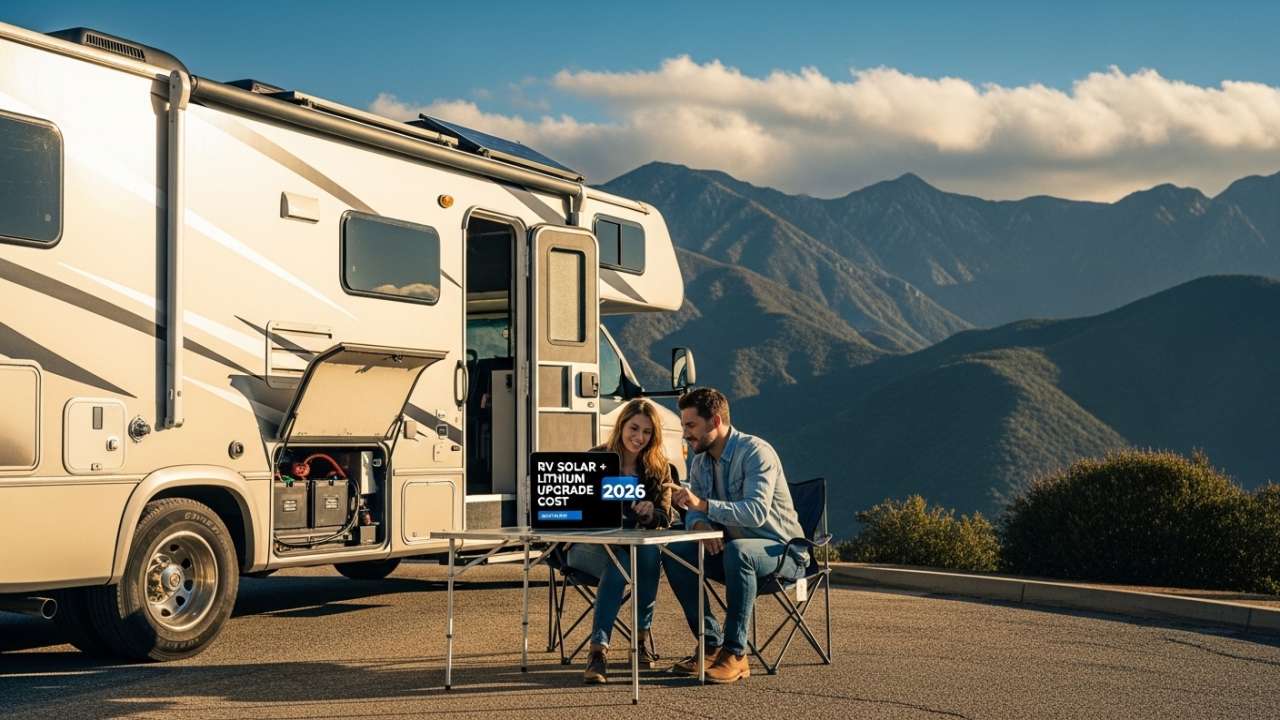
I discovered something shocking while researching solar power in Nigeria: most travellers and expat RV owners completely overlook Africa as a sustainable energy destination. But here’s what surprised me—Nigeria’s solar market in 2026 is booming, and prices are surprisingly competitive for anyone setting up off-grid systems across the continent. Whether you’re a digital nomad planning a West African adventure, an RV manufacturer exploring African supply chains, or someone relocating, understanding Nigerian solar panel pricing is essential. Let me break down exactly what you’ll pay and why.
Nigeria Solar Panel Prices 2026: Quick Price Guide
Monocrystalline Panels (High Efficiency)
₦60,000–₦250,000 per panel ($40–$165 USD equivalent)
Polycrystalline Panels (Budget-Friendly)
₦25,000–₦150,000 per panel ($17–$100 USD equivalent)
Thin-Film Panels (Compact, Flexible)
₦50,000–₦300,000 per panel ($33–$200 USD equivalent)
Complete Solar System (3–5kVA)
₦800,000–₦3,500,000 ($530–$2,330 USD equivalent) including panels, inverter, battery, installation
Why Nigeria’s Solar Market Matters in 2026
Nigeria switched off fuel subsidies in 2023, making petrol prices skyrocket to over ₦1,000 per liter. That single policy shift changed everything. Diesel generators—once the go-to for homes and businesses—became impossibly expensive to run. Now, solar installation rates have jumped 340% in major cities.
The electricity grid itself is unreliable. Even “Band A” premium customers (who pay the highest tariffs) still experience frequent blackouts. No wonder Nigerians are buying more solar panels in 2026 than ever before.
For RV owners considering African routes, this is golden news: solar components are now stocked in Lagos, Abuja, and Port Harcourt. Prices have stabilized after currency fluctuations, and you can find international brands alongside local suppliers.
Also Read:- RV AC Not Working? Fix It in 30 Minutes (2026 Troubleshooting Guide)
Solar Panel Types & Nigeria Pricing: Side-by-Side Comparison
| Panel Type | Efficiency | Price Range (₦) | Best For | Lifespan |
|---|---|---|---|---|
| Monocrystalline (N-Type TOPCon) | 22–24% | ₦60,000–₦250,000 | Homes, RVs, high-output needs | 25–30 years |
| Polycrystalline (Traditional) | 16–18% | ₦25,000–₦150,000 | Budget setups, supplementary power | 20–25 years |
| Thin-Film (Flexible, Lightweight) | 10–12% | ₦50,000–₦300,000 | Lightweight RV installations, curved surfaces | 20–25 years |
| Mini Panels (10W–50W) | 18–20% | ₦10,500–₦50,000 | Phone charging, LED lights, small appliances | 10–15 years |
Pro Tip for RV Owners: N-Type TOPCon monocrystalline panels produce 30% more energy in hot climates and perform better under Nigeria’s intense sun. They cost 20% more upfront but save money over time.
Wattage Breakdown: How Much Does Each Size Cost?
Your wattage choice drives everything. A 450W panel costs triple what a 100W panel does—but powers 4.5 times more appliances.
| Wattage | Monocrystalline Price | Polycrystalline Price | Typical Use |
|---|---|---|---|
| 100W | ₦25,000 – ₦40,000 | ₦15,000 – ₦25,000 | Small appliances, phone charging |
| 200W | ₦50,000 – ₦80,000 | ₦30,000 – ₦60,000 | Small home, RV primary power |
| 300W | ₦75,000 – ₦120,000 | ₦45,000 – ₦90,000 | 1–2 bedroom home, high-power RV |
| 450W | ₦110,000 – ₦180,000 | ₦65,000 – ₦135,000 | 3+ bedroom home, heavy-load RV |
| 550W | ₦130,000 – ₦210,000 | ₦80,000 – ₦160,000 | Large home, commercial, RV farm |
Real Example: A typical 3-bedroom Nigerian home needs a 3.5–5kVA system. That means 6–10 pieces of 450W–550W panels. At ₦150,000 per panel (monocrystalline), you’re looking at ₦900,000–₦1,500,000 just for panels before inverter, battery, and installation.
Top Solar Panel Brands in Nigeria (2026 Market Leaders)
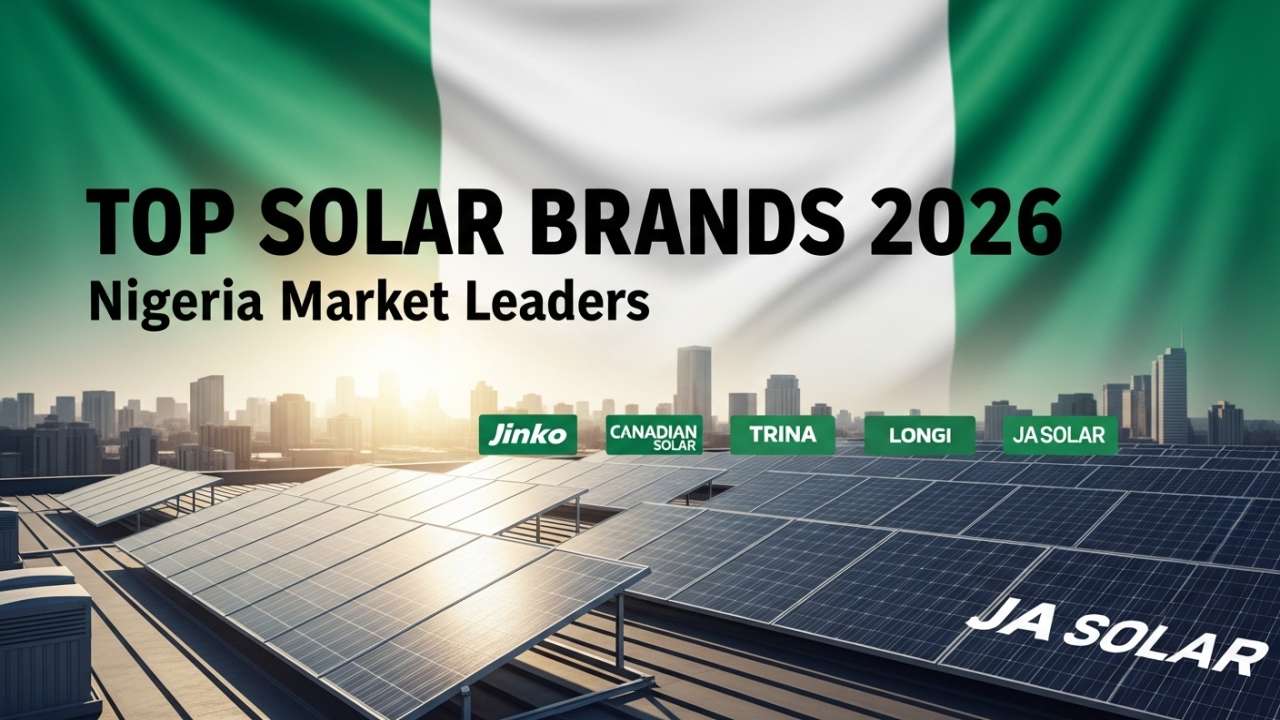
Jinko Solar – The Popularity Champion
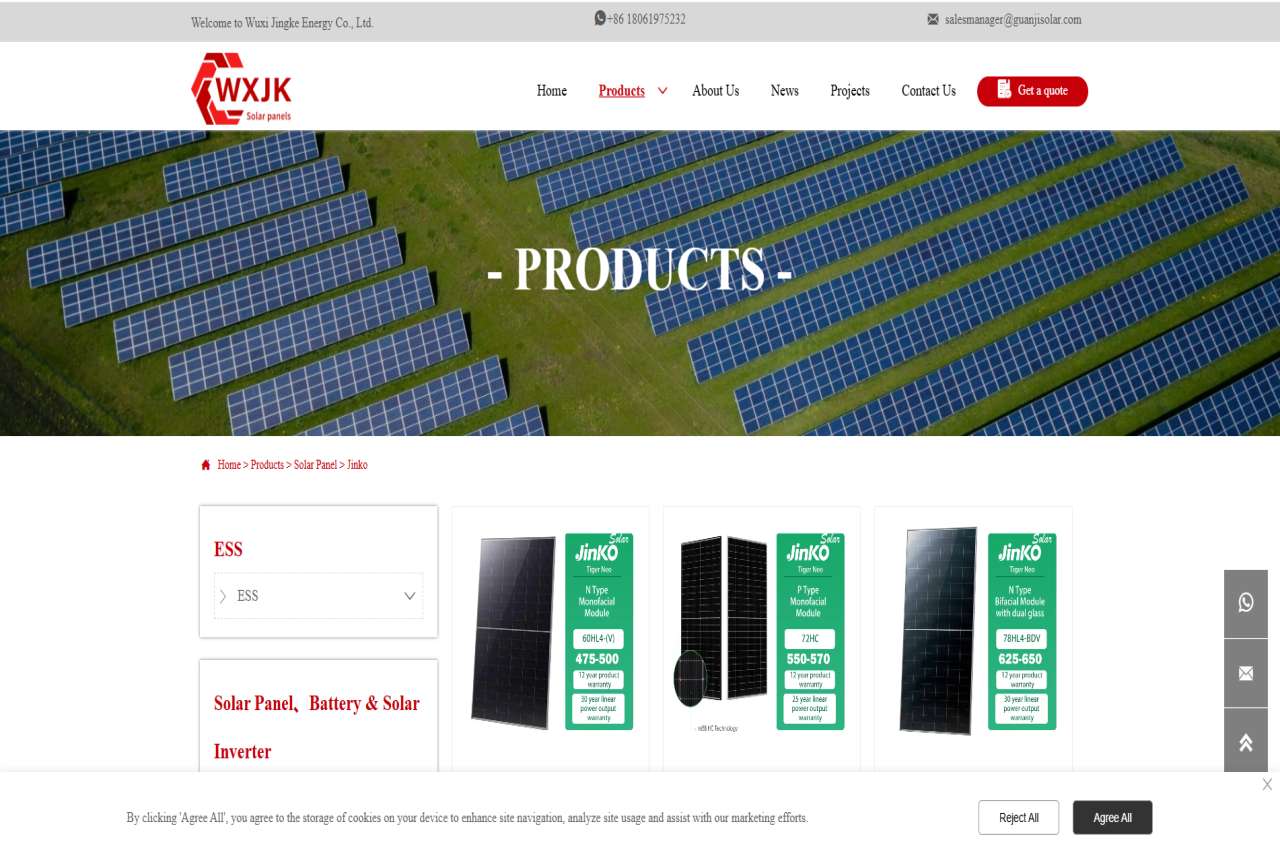
Price: ₦80,000–₦200,000 per panel
Why Nigerians Choose It: Jinko dominates Nigerian markets (Lagos, Abuja, Port Harcourt) because it performs brilliantly in low-light conditions. That matters in a country with seasonal cloud cover and harmattan dust.
Warranty: 12–15 years performance guarantee
Canadian Solar – Heat & Durability Specialist
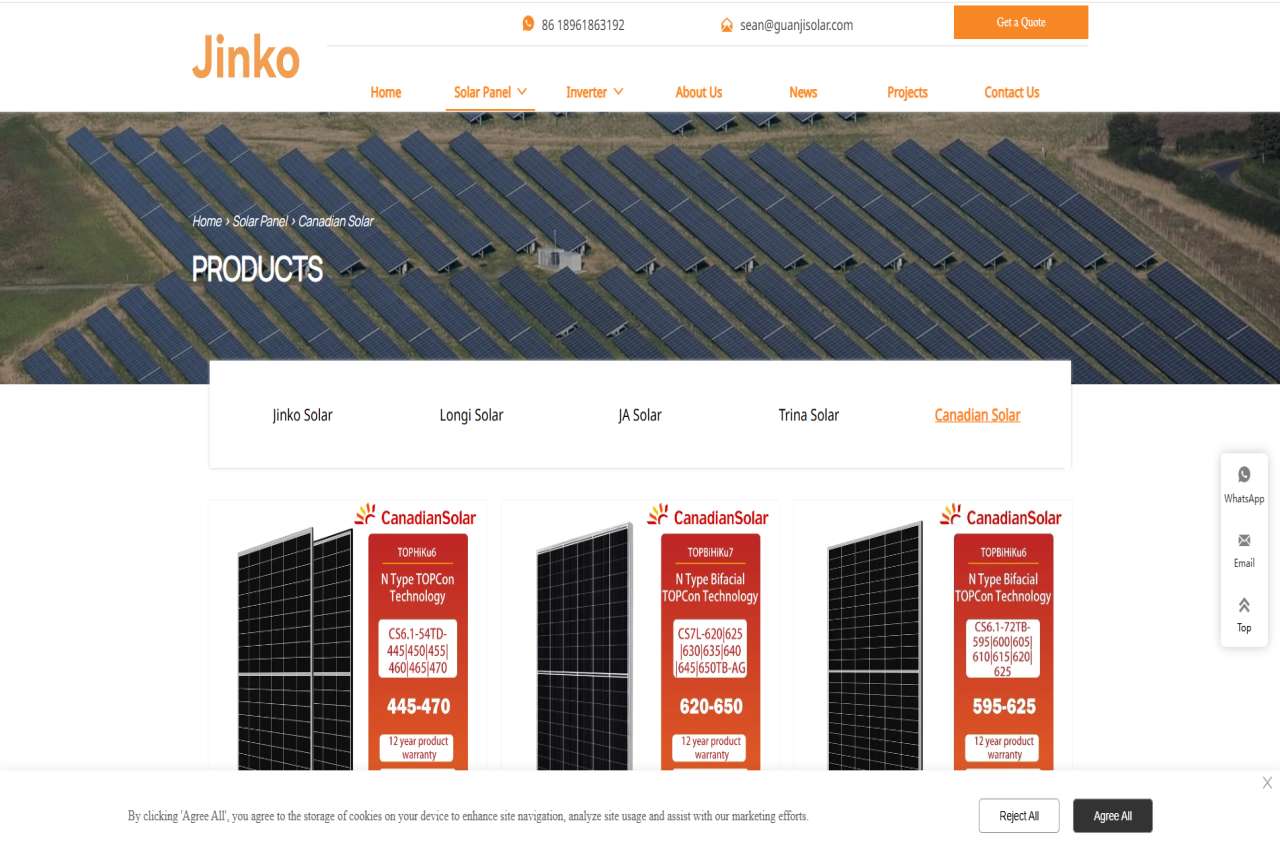
Price: ₦90,000–₦220,000 per panel
Why It’s Popular: Nigeria’s climate is brutal—high heat, humidity, dust storms. Canadian Solar panels are engineered for exactly this. They don’t degrade as fast as cheaper alternatives under extreme conditions.
Best For: Long-term installations where panel lifespan matters more than upfront cost.
Also Read:- RV Fuel Efficiency: 10 Secrets That Cut Gas Costs 50% (2026 Guide)
Felicity Solar – The Budget Hero
Price: ₦40,000–₦120,000 per panel
Why It Works: For entry-level systems and first-time buyers, Felicity offers decent quality without bleeding your wallet. Performance is honest, not spectacular.
Common In: Small businesses, backup power, phone charging stations across Nigeria.
Longi Solar (Growing Presence)
Price: ₦100,000–₦250,000 per panel
Why It’s Emerging: Longi is premium. Efficiency exceeds 22%, and warranty coverage is extensive (20–25 years). More expensive, but you’re paying for longevity.
Era Solar, Trina, Skymax (Local & Regional)
Price: ₦50,000–₦180,000 per panel
Availability: Increasingly stocked in Lagos and Abuja markets. Good quality-to-price ratio.
5 Factors That Make Nigeria Solar Panel Prices Go Up or Down
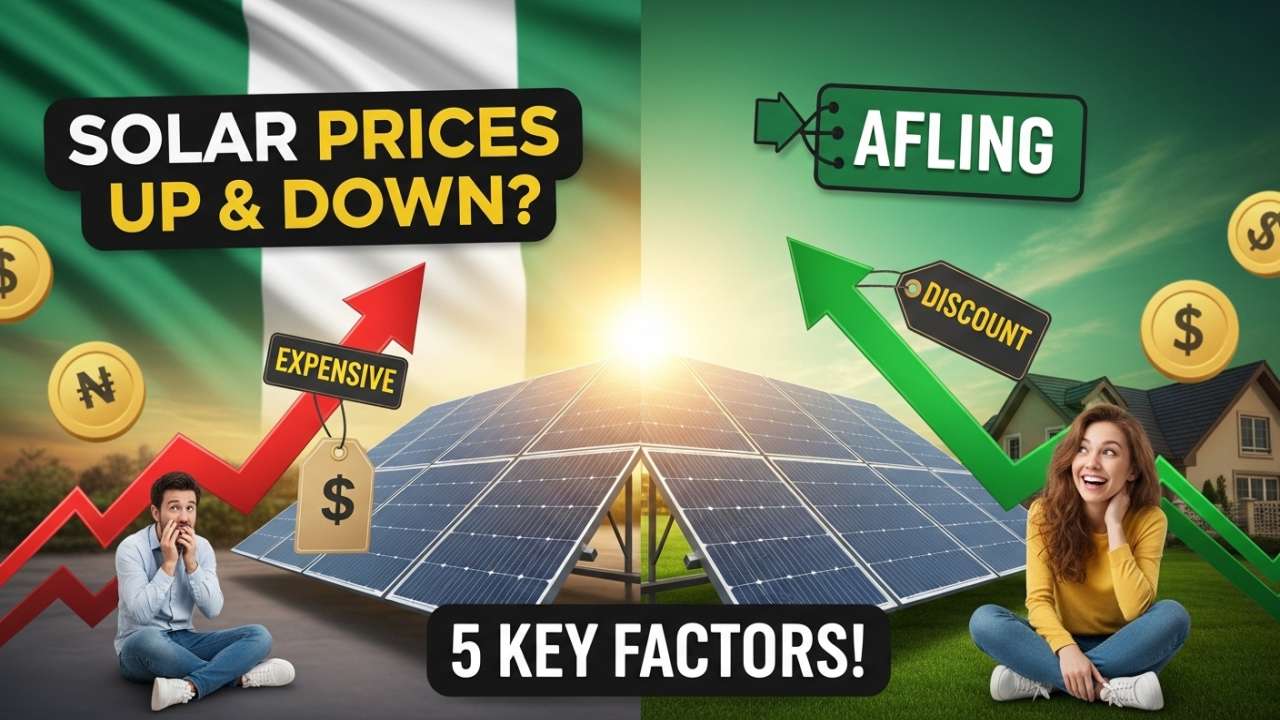
1. Naira Exchange Rate Volatility
The Problem: 95% of solar panels sold in Nigeria are imported. If the naira weakens against the dollar, prices jump overnight.
Current Situation (March 2026): The naira has stabilized somewhat, but any global economic shock ripples through Nigerian solar pricing within weeks.
What You Should Do: Lock in prices before major forex shifts. Check rates at Kara.com.ng and SolarEnergy Supply Stores to monitor price movements.
2. Currency Fluctuations & Global Raw Material Costs
Silver and aluminum—core panel materials—trade in USD. When commodity prices spike, Nigerian dealers immediately raise retail prices to protect margins.
Recent Example: 2025 saw silver spike 18% globally, which pushed Nigerian monocrystalline panel prices up ₦15,000–₦25,000 per unit.
3. Location & Transportation Costs
Buying panels in Lagos? Cheap. Buying in Enugu, Owerri, or remote northern Nigeria? Add 10–20% to the price.
Why? Transportation from Lagos ports to inland cities is expensive, and stock availability is lower. Dealers pass that cost to you.
Smart Move: Order from Lagos or Abuja distributors if you’re elsewhere. Many ship nationwide within 3–6 business days.
4. Brand Reputation & Certification
Established brands (Jinko, Canadian Solar, Longi) cost more because they carry longer warranties and proven track records. Knockoffs and no-name panels save ₦20,000–₦50,000 per panel but often fail within 5 years.
Certifications That Matter:
- IEC 61215 (International efficiency standard)
- UL 1703 (Safety standard, critical for RVs)
- TÜV Certified (German quality guarantee)
Always ask for certification documents. Fakes abound in Nigeria’s solar market.
5. Government Incentives & NEP Subsidies
The Nigeria Electrification Project (NEP) offers up to 15% subsidy on installation costs for eligible customers. This is mostly for rural electrification, but some dealers fold these savings into panel pricing.
Check eligibility through your state’s electricity distribution company (EKEDC, Ibadan Disco, etc.).
Complete Solar System Cost: Beyond Just Panels
A solar panel by itself is useless without an inverter, battery, controller, and wiring. Here’s what a complete 3–5kVA system costs:
| Component | Price Range (₦) | Function |
|---|---|---|
| Solar Panels (6–10 × 450W) | ₦900,000–₦1,500,000 | Generate electricity from sunlight |
| Hybrid Inverter (3–5kVA) | ₦300,000–₦800,000 | Convert DC to AC, manage grid/solar/battery power |
| Deep Cycle Gel/AGM Battery | ₦400,000–₦1,200,000 | Store energy for nighttime use |
| MPPT Solar Controller | ₦100,000–₦250,000 | Optimize charging efficiency |
| Mounting Hardware, Wiring, Breakers | ₦80,000–₦150,000 | Installation materials |
| Professional Installation Labor | ₦150,000–₦500,000+ | Critical for safety & warranty |
| TOTAL SYSTEM COST | ₦1,930,000–₦4,400,000 | ($1,280–$2,930 USD) |
For RV Owners: Portable or semi-portable systems cost less upfront (₦600,000–₦1,500,000) but deliver lower power. Count on paying ₦2,000–₦5,000 per watt of usable output.
Where to Buy Solar Panels in Nigeria (2026)
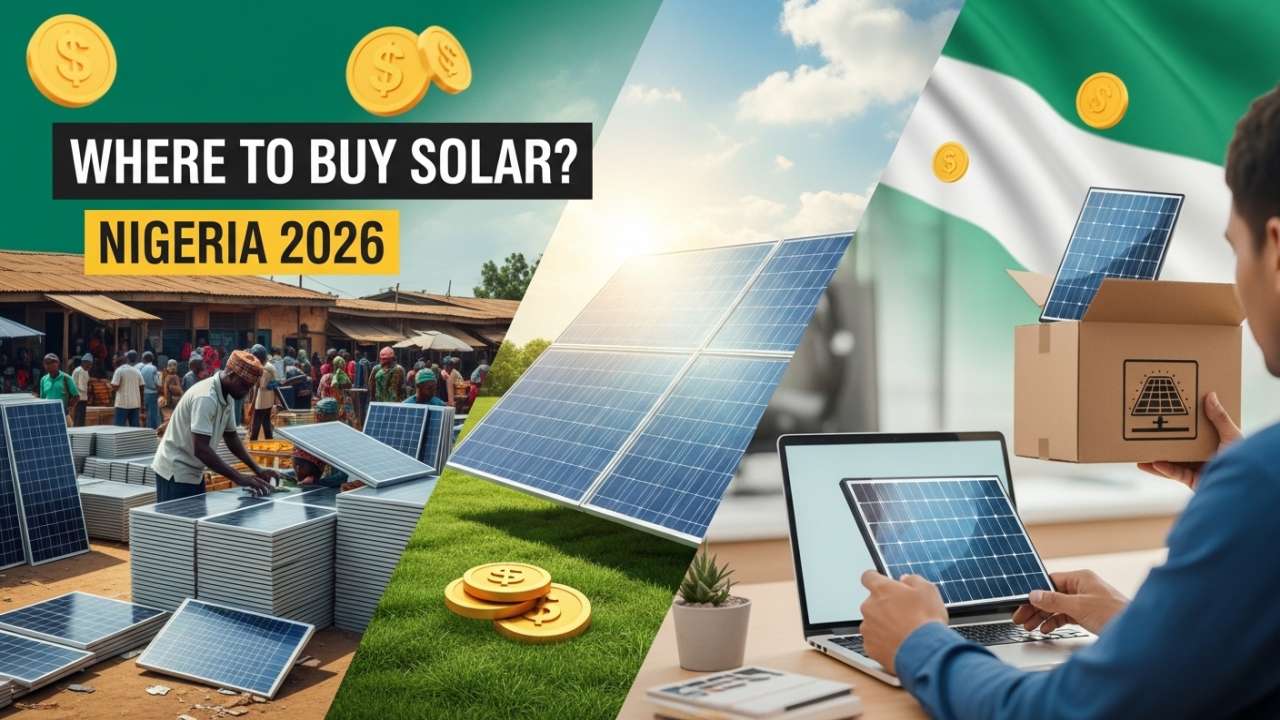
Online Retailers (Fastest, Nationwide Shipping)
Kara.com.ng
- Largest inventory in Nigeria
- Ships within 5–7 business days
- Stock brands: Luminous, Su-vastika, Prag, Jinko, Canadian Solar
- Competitive pricing, professional installation available
Alabamart.com
- Same-day delivery in Lagos, Abuja, Port Harcourt, Enugu
- Up to 15–25 year warranties
- WhatsApp support: 07025002720
SolarEnergySupplyStores.com
- Import direct from manufacturers
- Good for bulk orders
- Pricing negotiable for large installations
Maypatronic.com
- Emphasis on technical support & installation
- Brands: Felicity, Luminous, Prag, Tata BP
- Professional installer network nationwide
Physical Stores (Inspect Before Buying)
Lagos Solar Hub (Ikeja)
- Dozens of retailers in Ikeja, Lekki
- Negotiate prices; stock varies daily
- Test panels on-site (legitimate dealers allow this)
Abuja Solar Market (Wuse II)
- Competitive pricing, government contracts
- Major brands in stock
- Slightly cheaper than Lagos
Red Flags When Buying Solar Panels in Nigeria
Avoid these situations or you’ll regret it:
- Fake Certifications – Ask for IEC, UL, or TÜV docs. Counterfeit panels have printed stickers, not legitimate certs.
- Suspiciously Low Prices – If someone’s selling 450W monocrystalline panels for ₦30,000, it’s fake or stolen. Real price is ₦110,000+.
- No Warranty Documentation – Legitimate dealers provide written, verifiable warranties. Handshake deals = trap.
- Vague Brand Names – “Solar King,” “Power Master,” unknown Asian brands = high failure risk.
- No Installation Support – Reputable retailers offer technical consultation or installer referrals. If they just sell and disappear, skip them.
- Cash-Only, No Receipt – No paper trail = no recourse if panels fail.
Installation Costs: Labor & Materials Breakdown
Professional installation isn’t optional—it’s essential. Poor installation voids warranties and risks electrical fires.
Installation Cost Factors:
- System Size: 1kVA = ₦50,000–₦100,000 labor. 5kVA = ₦250,000–₦500,000+
- Complexity: Rooftop mount (easy) vs. ground pole + concrete foundation (hard)
- Location: Rural areas cost more due to travel time
- Electrical Work: Adding breakers, rewiring home = extra ₦50,000–₦150,000
Typical 3kVA System Installation: ₦200,000–₦400,000 in labor + ₦80,000–₦150,000 in materials.
Hire only certified installers with references. Check with your state’s electrical board for approved contractors.
Solar Panel Price Comparison: Nigeria vs. Other African Countries
| Country | Monocrystalline (450W) | Polycrystalline (450W) | Notes |
|---|---|---|---|
| Nigeria | ₦110,000–₦180,000 ($73–$120 USD) | ₦65,000–₦135,000 ($43–$90 USD) | Fuel subsidy removal drove demand; prices stabilized 2026 |
| Kenya | KES 45,000–75,000 ($34–$57 USD) | KES 30,000–50,000 ($23–$38 USD) | Cheaper; less demand competition |
| South Africa | ZAR 8,000–14,000 ($43–$75 USD) | ZAR 5,500–10,000 ($30–$54 USD) | Most mature market; better warranties |
| Ghana | GHS 1,200–2,000 ($80–$130 USD) | GHS 800–1,500 ($50–$100 USD) | Growing market, higher shipping costs |
| Uganda | UGX 600,000–1,000,000 ($160–$270 USD) | UGX 400,000–700,000 ($108–$190 USD) | Expensive due to import duties |
Nigeria’s Position: Competitive pricing due to market size and Lagos port efficiency. Not the cheapest in Africa, but decent value.
How Many Solar Panels Do You Actually Need?
For a 3-Bedroom Home in Nigeria:
- Daily power consumption: 10–15kWh
- System size needed: 3.5–5kVA
- Number of 450W panels: 8–10 panels
- Cost: ₦900,000–₦1,500,000 (panels only)
For an RV Setup:
- Daily power consumption: 2–5kWh
- System size needed: 1–2kVA
- Number of 450W panels: 2–4 panels
- Cost: ₦220,000–₦720,000 (panels only)
Quick Calculation Formula: (Daily energy needed in kWh ÷ Peak sun hours) × 1.25 buffer = Required panel wattage
Example: 10kWh ÷ 5 sun hours × 1.25 = 2,500W capacity needed = 5–6 × 450W panels
7 Money-Saving Tips for Nigerian Solar Panel Buyers

Tip 1: Buy Complete Kits Instead of Pieces
Retailers offer bundled systems (panels + inverter + battery + controller) at 10–15% discount vs. buying separately. Upfront cost is higher, but per-unit savings are real.
Where: Kara.com.ng, Maypatronic.com offer complete 3–5kVA kits.
Tip 2: Compare Brands Across 3+ Retailers
Prices vary ₦15,000–₦40,000 between shops for identical panels. Spend 30 minutes getting quotes. That’s ₦30,000–₦100,000 in savings per panel × 8–10 panels.
Tip 3: Negotiate Installation Bundling
If you buy panels from a retailer who also installs, you’ll often get 5–10% off labor. Ask for “combined pricing.”
Tip 4: Consider Polycrystalline for Non-Critical Power
If you’re powering auxiliary RV systems (water heater, fridge), polycrystalline panels work fine and cost 40–50% less. Save monocrystalline for high-priority loads.
Tip 5: Buy Off-Season (May–June)
Demand slumps during rainy season (May–September). Retailers offer clearance discounts up to 12% to move inventory. Counterintuitive, but it works.
Tip 6: Check for Storm Damage or B-Stock Panels
Some retailers sell panels with minor cosmetic damage at 15–20% discount. Functionality is unaffected. Ask directly if they have “cosmetic defect” inventory.
Tip 7: Explore NEP Subsidies & Financing
The Nigeria Electrification Project offers subsidy and 0% financing on approved systems. Eligibility varies by state. Worth 10 minutes of research.
FAQ:
Q: Are Nigerian solar panels authentic or counterfeit?
A: Mix of both. Major retailers (Kara, Alabamart, Maypatronic) stock genuine panels. Street vendors and unknown shops = high counterfeiting risk. Always ask for certifications and dealer credentials.
Q: What’s the warranty situation? Will dealers honor it?
A: Legitimate warranties are 12–25 years. But enforcement is weak in Nigeria. Buy from large retailers with verifiable addresses and phone numbers, not fly-by-night dealers.
Q: Can I install solar panels myself, or do I need a professional?
A: Professional installation is non-negotiable. Electrical mistakes = fire risk, shock hazard, warranty void. Costs ₦200,000–₦400,000 but saves your life and investment.
Q: How much will solar panels reduce my electricity bill?
A: A 5kVA system produces 15–20kWh/day. At Nigeria’s Band A tariff (₦51/kWh average), that’s ₦765–₦1,020/day saved, or ₦22,950–₦30,600/month. ROI in 3–5 years depending on system cost.
Q: Do solar panels work during Nigeria’s rainy season?
A: Yes, they still produce power even in cloud cover (10–30% of sunny-day output). N-Type TOPCon panels perform better in low-light conditions. Expect 40–50% reduced output May–September.
Q: What’s the difference between N-Type TOPCon and standard monocrystalline?
A: N-Type TOPCon is newer (2024+), more efficient (22–24% vs. 20%), performs better in heat, but costs 15–20% more. For Nigeria’s climate, worth the premium if budget allows.
Q: Can I mix different panel brands in one system?
A: Technically yes, but don’t. Different brands have varying efficiency curves and voltage ratings. Mixing creates imbalanced charging, early failure. Stick to one brand per system.
Q: How long do solar panels last in Nigeria’s climate?
A: Monocrystalline: 25–30 years with slow degradation (0.5%/year). Polycrystalline: 20–25 years (0.7%/year degradation). Thin-film: 15–20 years. Heat accelerates degradation, so expect 2–3 years shorter lifespan than global averages.
Q: What about inverter and battery costs—do they affect total ROI?
A: Absolutely. A 3–5kVA hybrid inverter costs ₦300,000–₦800,000. Battery (deep-cycle gel) costs ₦400,000–₦1,200,000. Total system cost is 3–4× panel cost alone. Plan accordingly.
Q: Are there tax breaks or import duty reductions for solar panels in Nigeria?
A: Government pushes renewable energy, but tax breaks are inconsistent. NEP subsidies apply in some states. Duty on panels is typically 10–15%. Consult your state government before bulk purchases.
Conclusion: Smart Solar Buying in Nigeria 2026
Buying solar panels in Nigeria isn’t rocket science, but it rewards research. Prices have stabilized in 2026 after currency chaos, and quality brands are now accessible across the country.
Your Action Plan:
- Calculate your exact energy needs (appliances × hours used = daily kWh)
- Get quotes from 3+ retailers (Kara, Alabamart, Maypatronic)
- Choose monocrystalline for longevity, polycrystalline to save upfront
- Verify certifications (IEC, UL, TÜV)
- Hire professional installation from certified contractors
- Budget 3–4× panel cost for complete system (inverter + battery + labor)
- Monitor naira/dollar rates before committing; lock in prices early
Nigeria’s solar market is no longer an experiment—it’s mainstream. Whether you’re powering an off-grid RV adventure, a Nigerian home, or a business, you now have real options, competitive pricing, and growing installer expertise.
The best time to go solar was 5 years ago. The second best time is today.